
The Rhythm of Resistance: Samba’s Enduring Legacy
By Chelsie Hart-Smith
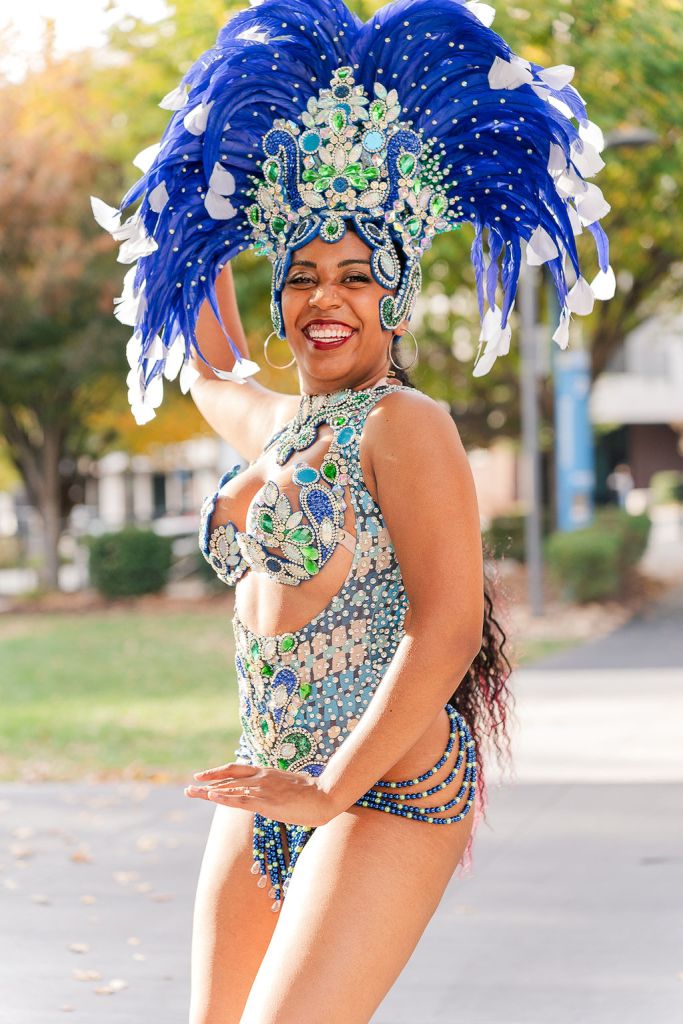
As we celebrate Juneteenth, the pivotal moment when the last enslaved African Americans gained their freedom, it’s fitting to spotlight one of the most vibrant cultural traditions born from that resilient community—samba. This exhilarating dance and music style has transcended borders and eras to become a worldwide phenomenon, reverberating with the indomitable spirit of its African diasporic roots. We sat down with Courtney Feliz Assistant Director of the NC Brazilian Arts Project to gain her insight.
“I chose to dance samba because of its historical roots of Black creativity, expression, and resilience. As a Black African American, learning about the resilience of Black people and ancestors in Brazil is truly inspiring. Despite facing overwhelming odds, they persevered, maintaining and creating their own vibrant culture amidst persecution. Through samba, I find not only pride and connection, but also a powerful reminder of our shared ability to thrive against all odds. It’s a testament to the enduring spirit and strength of Black communities, both in Brazil and around the world. “- Courtney Feliz
Samba emerged in the late 19th century from the favelas, the working-class neighborhoods of Rio de Janeiro, Brazil. It’s undulating rhythms and sensual movements carried the heartbeat of the West African tribes that were torn from their homelands and trafficked to Brazil during the abhorrent transatlantic slave trade. In the face of profound oppression and suffering, these enslaved people ingeniously reinvented forms of artistic expression, defiantly cultivating samba as an act of resistance and reclamation of identity.
“Samba is my liberation, my empowerment, and my celebration. It’s more than just a dance; it’s a journey of self-discovery and reclaiming my power and beauty as a Black woman, on my own terms. With each step, I honor the rich history and resilience of Black Brazilian women and Black women worldwide. Samba allows me to express my strength, beauty, and spirit in a way that is uniquely mine, reminding me of the endless possibilities within myself and within my community .”- Courtney Feliz
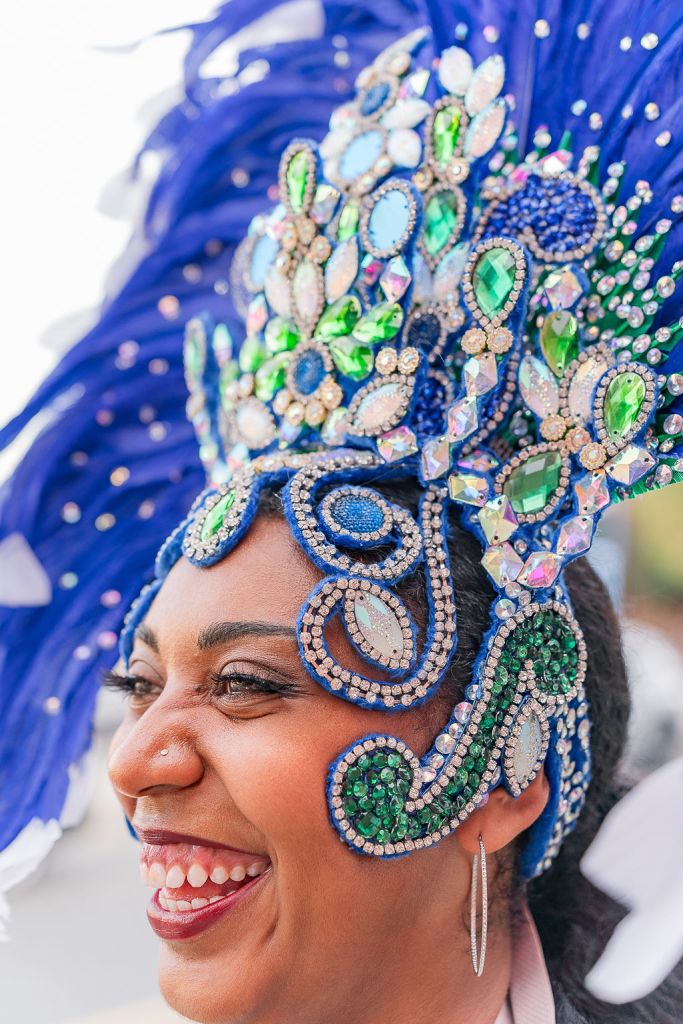
At its core, samba is a communal celebration of life itself—the horns, pulsating percussion, and sinuous dances express an unshakable joy that transcends even the most trying of circumstances. As the samba schools formed in Rio’s favelas, parading their spectacular costumes and throbbing batucada (percussion ensembles), this music and dance took on deeper dimensions of cultural pride and solidarity against racial injustice.
“Respecting the history of samba and its Black roots is important. It preserves the rich cultural heritage and resilience embedded in its rhythms and movements. By learning and sharing its message, we honor contributions of Black communities to Brazilian and global culture. This ensures that the legacy of samba endures for future generations.”- Courtney Feliz
Today, samba has become one of Brazil’s most iconic cultural exports, its infectious rhythms resonating from the grand spectacle of Rio’s Carnival to local dance halls and festivals worldwide. Yet it remains rooted in the spirit of its marginalized origins – an affirmation that the oppressed triumphed in preserving their humanity and forging an indelible and euphoric musical and choreographic tradition that uplifts us all.
So, as we groove to samba’s irresistible beat this Juneteenth, let’s honor the indomitable forces who birthed it – their suffering and subjugation could not extinguish their sacred creative expression. Samba stands as a profound reminder that even in the darkest chapters of our human story, the flame of joy and resistance cannot be smothered.